
John Munayer (Editor), Samuel Munayer (Editor), Naim Ateek (Foreword)
From the lived theology of grandmothers to traditions of scholarship, from ancient liturgies to contemporary resistance, eight Palestinian Christian theologians offer a crucial and vibrant perspective on liberation, reconciliation, and divine imagination.
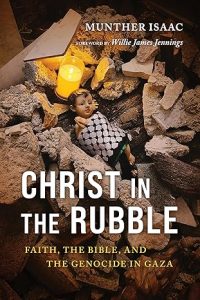
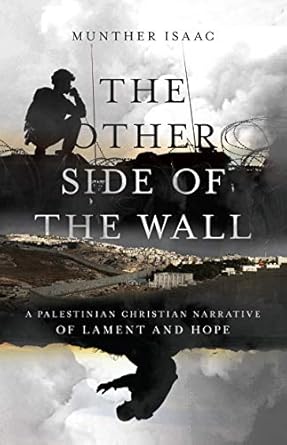
A cry from the heart and a call to action from a Palestinian Christian pastor and theologian In this impassioned and incisive book, Munther Isaac challenges Western Christians’ uncritical embrace of Zionist theology and politics.
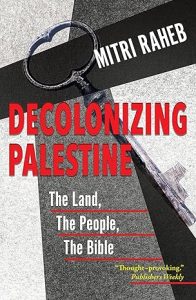
Decolonizing Palestine challenges the weaponization of biblical texts to support the current settler-colonial state of Israel. Raheb argues that some of the most important theological concepts -Israel, the land, election, and chosen people – must be decolonized in a paradigm shift in Christian theological thinking about Palestine.

What explains the fervent support among America’s Christians for Israel’s murderous assault on Gaza’s Palestinians? Dying children cry beneath the rubble; doctors testify to atrocities; journalists and medics face sniper fire; experts cry genocide; Jewish Americans decry Israel’s ethnic cleansing; protesting college students jeopardize their careers.
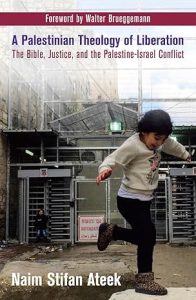
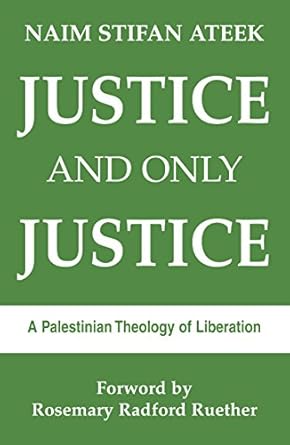
Addressing what many consider the world’s most controversial conflict, Naim Ateek offers a succinct primer on liberation theology in the context of the Palestinian struggle for freedom and self-determination.
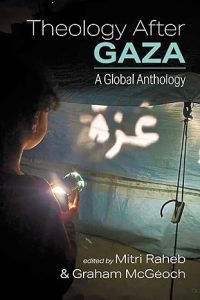
This is a book about genocide and Gaza. Gaza has become the moral compass of our world today. In this war, theology was weaponized against the Palestinian people by both Israeli politicians and Christian Zionists. It is a book inspired by Palestinian liberation theologies.
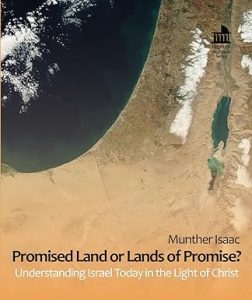
This book develops a biblical theology of the Land, based on the author’s ground-breaking PhD thesis. The whole biblical history in the Old and New Testaments can be studied and analysed through the theme of ‘the land’. From its beginnings in the Garden of Eden to the renewal of creation, this book approaches the theme from three distinct perspectives – holiness, the covenant, and the kingdom.
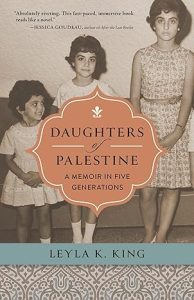
From Palestine to Texas in 100 years, this epic family tale follows five generations of Christian women as their family’s intimate dramas―full of hope, fear, grief, and joy― play out against a backdrop of violence that would rip them from their homeland.
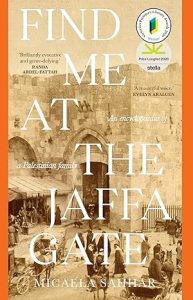
Fixing her gaze on moments, places and objects – from the streets of Bethlehem to the Palestinian neighbourhoods of the New Jerusalem – Micaela Sahhar assembles a story of Palestinian diaspora. Find Me at the Jaffa Gate is a book about the gaps and blank spaces that cannot be easily recounted, but which insists on the vibrant reality of chance, fragments and memory to reclaim a place called home.
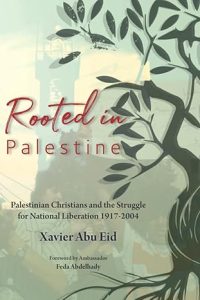
The book research the role of the Palestinian Christians in the struggle for national liberation from WWI through WWII and especially after the Israeli occupation in 1967. The role of the Palestinian Christians in resisting the Britisch mandate and Israeli occupation is highlighted. The contribution of the Christian churches in Palestine to diplomacy, education, social services as well armed as well as non-violent resistance is highlighted.
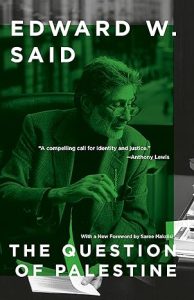
Edward W. Said
With the rigorous scholarship he brought to his influential Orientalism and an exile’s passion (he is Palestinian by birth), Edward W. Said traces the fatal collision between two peoples in the Middle East and its repercussions in the lives of both the occupier and the occupied–as well as in the conscience of the West.
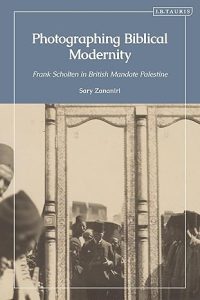
Sary Zananiri
This open access book offers the first in-depth appraisal of the photographic archive of Frank Scholten (1881-1942), a queer Dutch photographer and Catholic convert whose work in Palestine between 1921 and 1923 provides a remarkable lens on the intersecting dynamics of modernity, religion, colonialism, and visual culture.
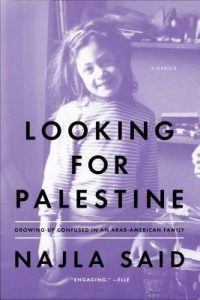
Najla Said
A frank and entertaining memoir, from the daughter of Edward Said, about growing up second-generation Arab American and struggling with that identity.
From the world-recognized leader of the Palestinians comes an inside view of Arafat and of the secret negotiations and last-minute decisions that led to the Oslo Peace Talks.

This book is comprised of two distinct parts that take the reader on a journey from pre-British Mandate Palestine to modern day Palestine.
The pastor of Christmas Church, a Palestinian Lutheran congregation, Mitri Raheb here presents a powerful collection of compelling personal stories of desperation and hope in the midst of lethal conflict, bringing the Palestinian/Israeli conflict up close and personal.
Nominated several times for the Nobel Peace Prize, world-renowned Palestinian priest, Elias Chacour, narrates the gripping story of his life spent working to achieve peace and reconciliation among Israeli Jews, Christians, and Muslims.
It was in 1988 that Mitri Raheb was ordained Pastor in the Evangelical Lutheran Church of Jordan and the Holy Land and was installed as Pastor of the Evangelical Lutheran Christmas Church in Bethlehem after finishing his seminary studies and doctorate in Germany in Church History.
Dying in the Land of Promise presents the reader with two simultaneous narratives, the dominant of which is the story of Palestinian Christianity. By Donald E. Wagner.
Provides articles, commentary, and stories from prominent Lutherans living in the strife-torn land of Palestine. Explores what it means to be a faithful witness to the gospel in the midst of ongoing religious and social conflict. By Ann E Hafften.
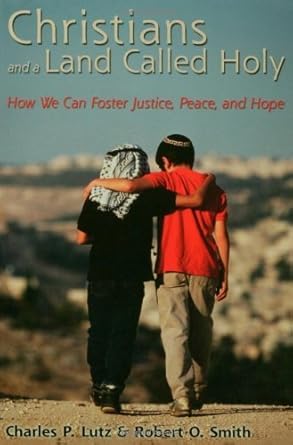
Fair-minded and sympathetic to Jewish, Muslim, and Christian concerns, Charles P. Lutz and Robert O. Smith provide a clear account of the Israeli-Palestinian situation and a compelling plea for Christian involvement in the area.
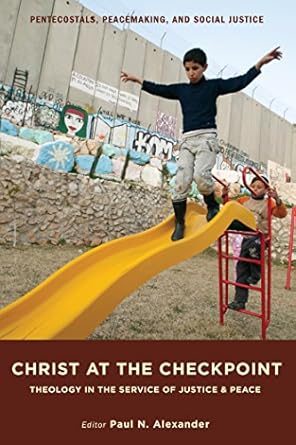
By Paul Alexander. What does the evangelical church in Palestine think about the land, the end times, the Holocaust, peace in the Middle East, loving enemies, Christian Zionism, the State of Israel, and the possibilities of a Palestinian state?

By Naim Stifan Ateek
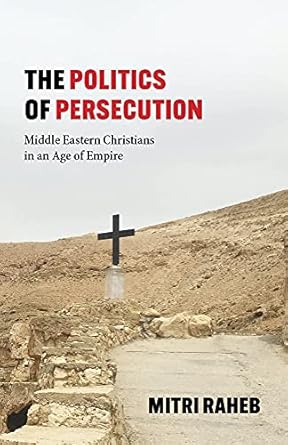
Persecution of Christians in the Middle East has been a recurring theme since the middle of the nineteenth century. The topic has experienced a resurgence in the last few years, especially during the Trump era.
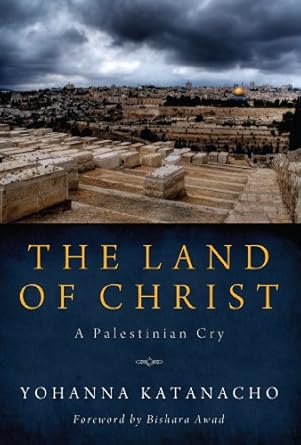
By Yohanna Katanacho, Bishara Awad. Palestinians and Israeli Jews live in one land, yet as two distinct communities, each of which claims ownership of the same territory. How are we to understand the divine promise pertaining to the land? Did God promise the land exclusively to the Jewish people? Do the Palestinians have a right to live in the land, or does God want them to leave?
By Rula Khoury Mansour. Christians are called to be peacemakers in a world rife with conflict, but how should Christians respond when the source of strife is not outside the church but within it?
by Naim & Cedar Duaybis & Maurine Tobin (eds.) Ateek (Author)
By Andrew F. Bush, Dr. Elaine A. Heath With the majority of the world’s Christians now living in the non-Western world, Christian mission has become a global movement.
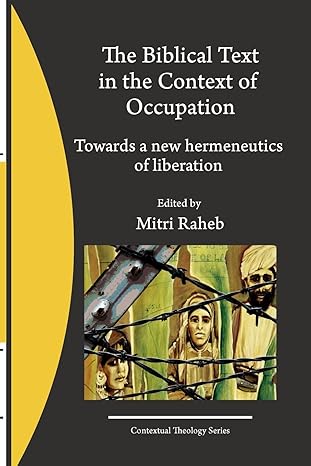
By Mitri Raheb. The book is the first comprehensive attempt to study and develop a hermeneutic of liberation in the context of the Israeli Occupation of the Palestinian land.
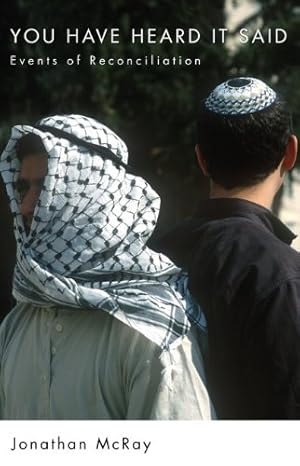
By Jonathan McRay and Salim Munayer.The Israeli-Palestinian conflict is constantly in the news, but what about the people who live through it? Their lives are often overlooked, their stories ignored.
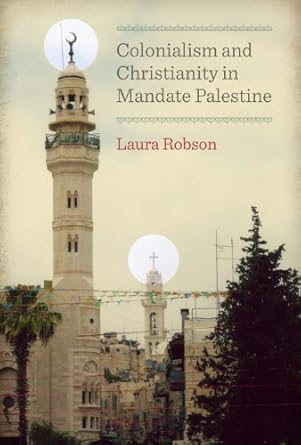
Drawing on a rich base of British archival materials, Arabic periodicals, and secondary sources, Colonialism and Christianity in Mandate Palestine brings to light the ways in which the British colonial state in Palestine exacerbated sectarianism.
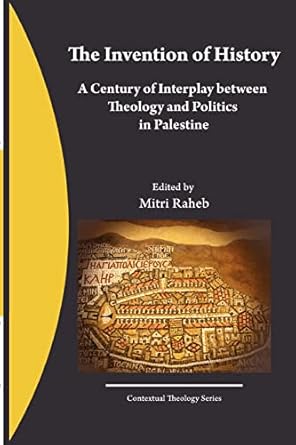
By Mitri Raheb. The book analyzes major theological trends and shifts of the twentieth century and focuses on the Interplay between Theology and Politics regarding Israel and Palestine.
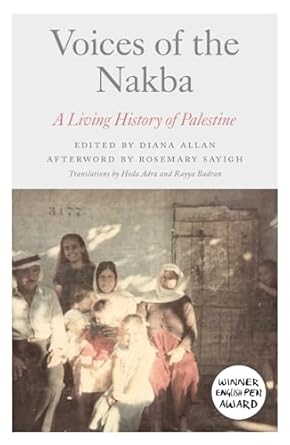
By Diana Allan. During the 1948 war more than 750,000 Palestinian Arabs fled or were violently expelled from their homes by Zionist militias.
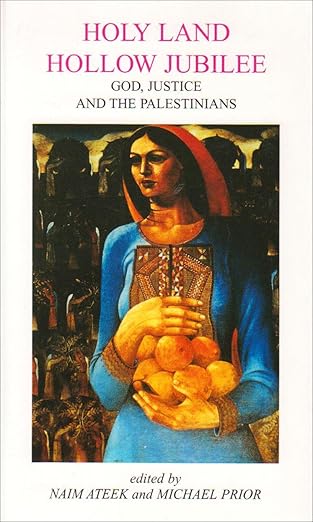
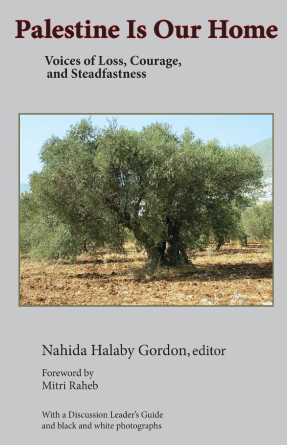
By Nahida Halaby Gordon. Within these pages are the memories of Palestinians – housewives, pastors, physicians, prisoners, professors, refugees, researchers, students, teachers, and university administrators living either in Palestine, refugee camps, or exile – who have suffered loss and yet have kept their identity as Palestinians and through perseverance have kept their culture vibrant and alive.
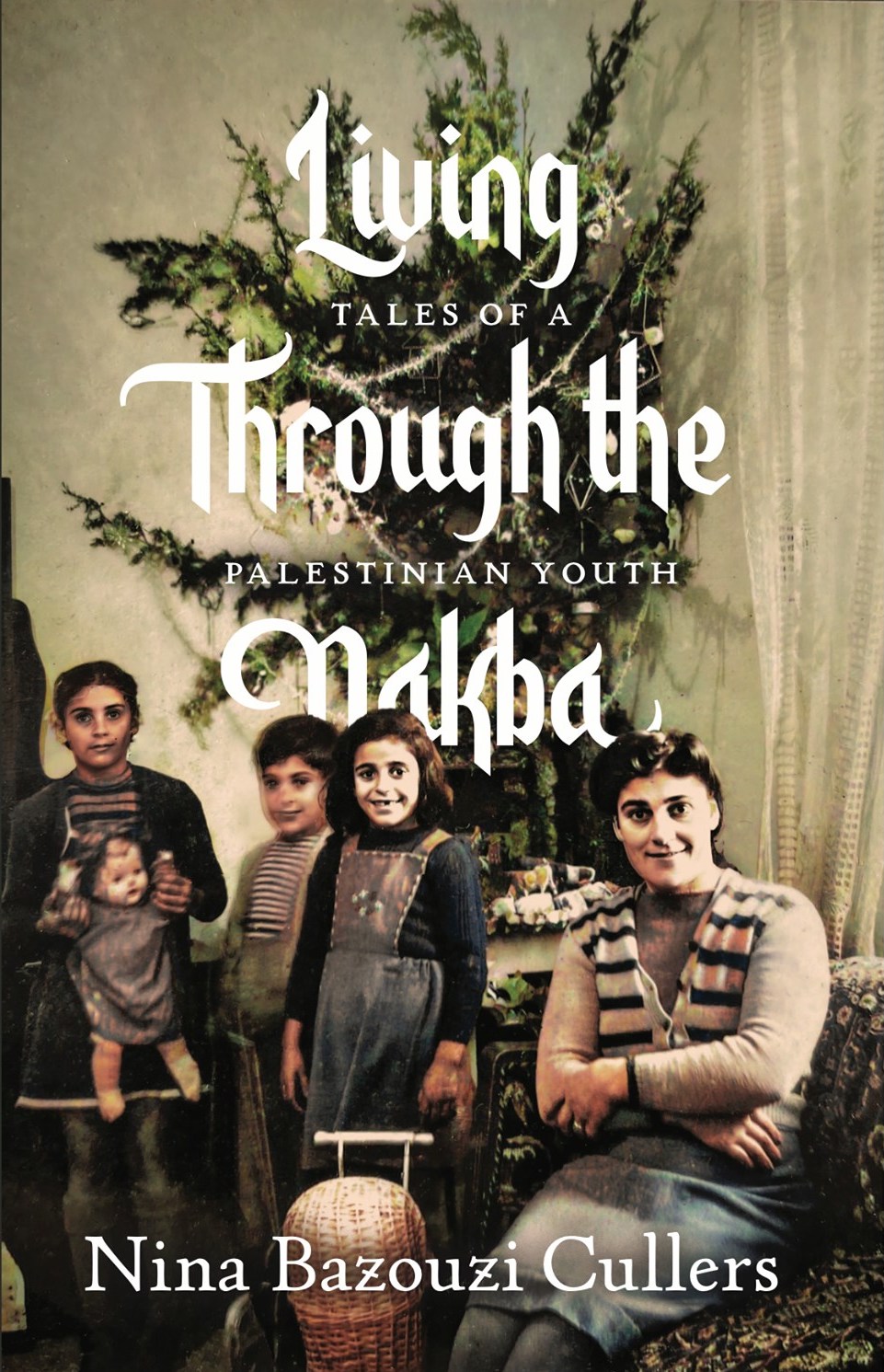
Nina Bazouzi Cullers was born in Jerusalem, Palestine, and lived in Bethlehem as a refugee after the Nakba. She is a graduate of the Lebanese American University and is currently living in the state of Virginia as a US citizen of several years.
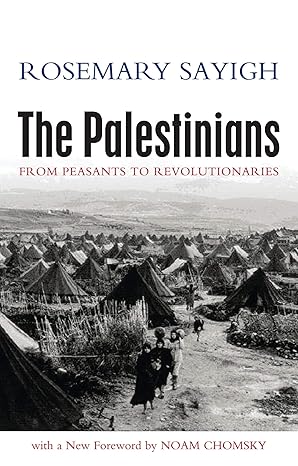
As the Israel-Palestine conflict rages on, it is more important now than ever to understand the history of the Palestinian people. Rosemary Sayigh’s The Palestinians is a classic of radical history.
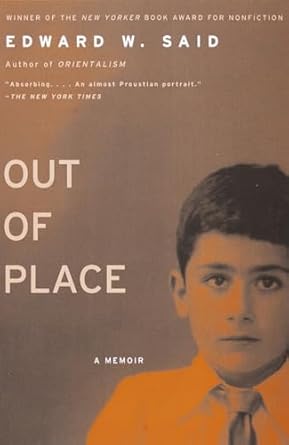
From one of the most important intellectuals of our time comes an extraordinary story of exile and a celebration of an irrecoverable past. A fatal medical diagnosis in 1991 convinced Edward Said that he should leave a record of where he was born and spent his childhood, and so with this memoir he rediscovers the lost Arab world of his early years in Palestine, Lebanon, and Egypt.
By Naim Ateek, Cedar Duaybis, Maurine Tobin.
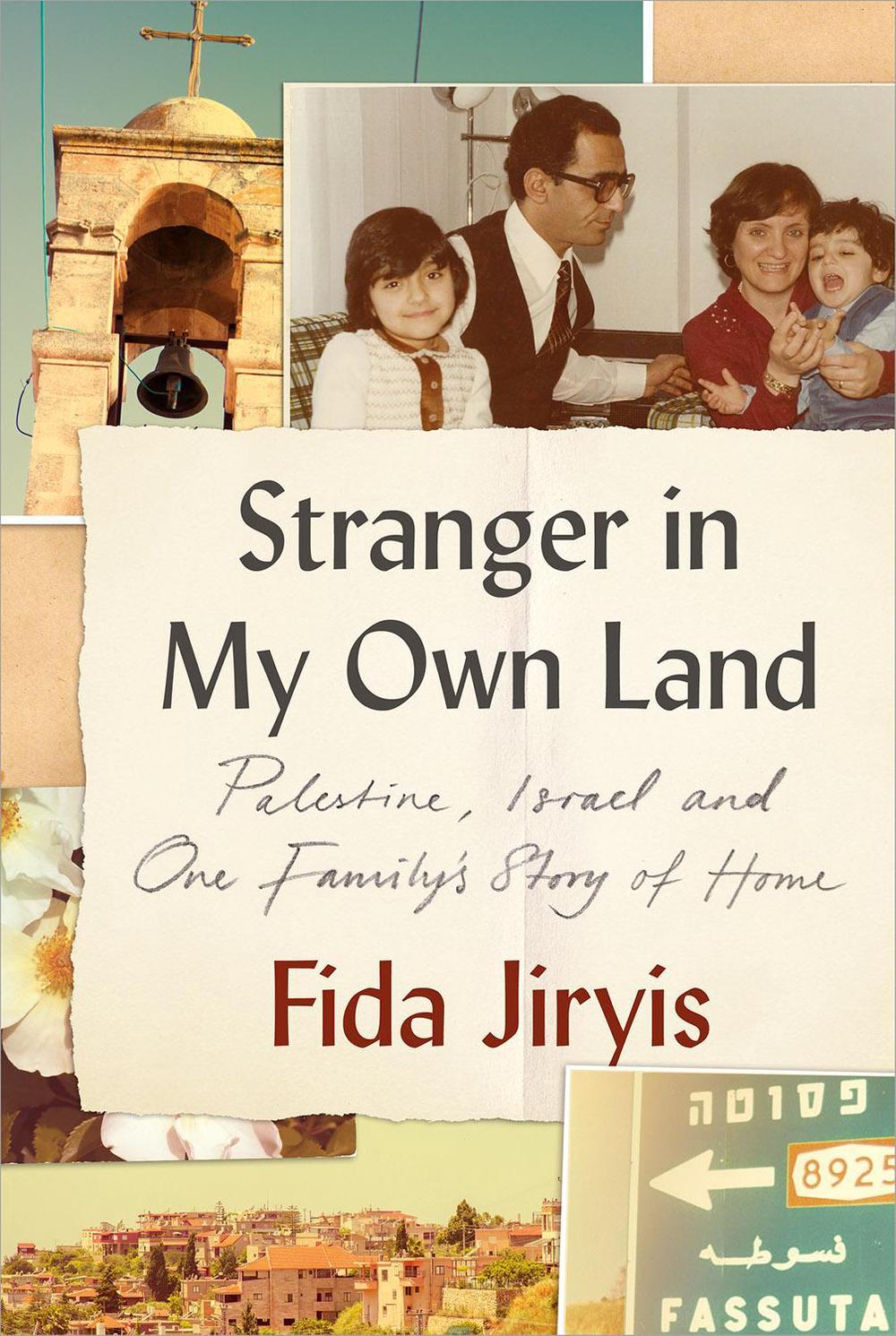
After the 1993 Oslo Accords, a handful of Palestinians were allowed to return to their hometowns in Israel. Fida Jiryis and her family were among them. This beautifully written memoir tells the story of their journey, which is also the story of Palestine, from the Nakba to the present-a seventy-five-year tale of conflict, exodus, occupation, return and search for belonging, seen through the eyes of one writer and her family.
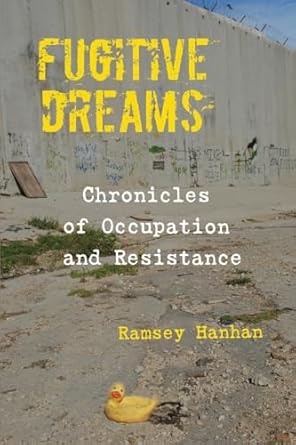
Fugitive Dreams is a slightly fictionalized literary memoir illustrating a sweeping 50 years of life under occupation through personal stories. Born in Palestine ‘on the “wrong” side of the border,’ Sameer finds his way to America to rebuild his life. His immigrant experience in post-9/11 America is laced to the ongoing conflict at home with the common threads of school shootings, police violence, human rights abuses, activism, and walls.
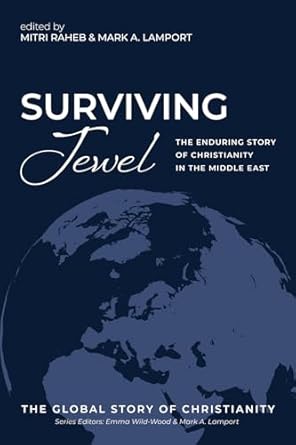
Mitri Raheb (Editor), Mark A. Lamport (Editor)
The Christian church was born in the Middle East and grew there for centuries. Its interaction with Islam turned Christianity in this once predominantly Christian region into a marginalized jewel, surviving at great peril within a difficult, even sometimes hostile, political and religious climate.
John Munayer (Editor), Samuel Munayer (Editor), Naim Ateek (Foreword)
From the lived theology of grandmothers to traditions of scholarship, from ancient liturgies to contemporary resistance, eight Palestinian Christian theologians offer a crucial and vibrant perspective on liberation, reconciliation, and divine imagination.
A cry from the heart and a call to action from a Palestinian Christian pastor and theologian In this impassioned and incisive book, Munther Isaac challenges Western Christians’ uncritical embrace of Zionist theology and politics.
Decolonizing Palestine challenges the weaponization of biblical texts to support the current settler-colonial state of Israel. Raheb argues that some of the most important theological concepts -Israel, the land, election, and chosen people – must be decolonized in a paradigm shift in Christian theological thinking about Palestine.
What explains the fervent support among America’s Christians for Israel’s murderous assault on Gaza’s Palestinians? Dying children cry beneath the rubble; doctors testify to atrocities; journalists and medics face sniper fire; experts cry genocide; Jewish Americans decry Israel’s ethnic cleansing; protesting college students jeopardize their careers.
Addressing what many consider the world’s most controversial conflict, Naim Ateek offers a succinct primer on liberation theology in the context of the Palestinian struggle for freedom and self-determination.
This is a book about genocide and Gaza. Gaza has become the moral compass of our world today. In this war, theology was weaponized against the Palestinian people by both Israeli politicians and Christian Zionists. It is a book inspired by Palestinian liberation theologies.
This book develops a biblical theology of the Land, based on the author’s ground-breaking PhD thesis. The whole biblical history in the Old and New Testaments can be studied and analysed through the theme of ‘the land’. From its beginnings in the Garden of Eden to the renewal of creation, this book approaches the theme from three distinct perspectives – holiness, the covenant, and the kingdom.
From Palestine to Texas in 100 years, this epic family tale follows five generations of Christian women as their family’s intimate dramas―full of hope, fear, grief, and joy― play out against a backdrop of violence that would rip them from their homeland.
Fixing her gaze on moments, places and objects – from the streets of Bethlehem to the Palestinian neighbourhoods of the New Jerusalem – Micaela Sahhar assembles a story of Palestinian diaspora. Find Me at the Jaffa Gate is a book about the gaps and blank spaces that cannot be easily recounted, but which insists on the vibrant reality of chance, fragments and memory to reclaim a place called home.
The book research the role of the Palestinian Christians in the struggle for national liberation from WWI through WWII and especially after the Israeli occupation in 1967. The role of the Palestinian Christians in resisting the Britisch mandate and Israeli occupation is highlighted. The contribution of the Christian churches in Palestine to diplomacy, education, social services as well armed as well as non-violent resistance is highlighted.
Edward W. Said
With the rigorous scholarship he brought to his influential Orientalism and an exile’s passion (he is Palestinian by birth), Edward W. Said traces the fatal collision between two peoples in the Middle East and its repercussions in the lives of both the occupier and the occupied–as well as in the conscience of the West.
Sary Zananiri
This open access book offers the first in-depth appraisal of the photographic archive of Frank Scholten (1881-1942), a queer Dutch photographer and Catholic convert whose work in Palestine between 1921 and 1923 provides a remarkable lens on the intersecting dynamics of modernity, religion, colonialism, and visual culture.
Najla Said
A frank and entertaining memoir, from the daughter of Edward Said, about growing up second-generation Arab American and struggling with that identity.
From the world-recognized leader of the Palestinians comes an inside view of Arafat and of the secret negotiations and last-minute decisions that led to the Oslo Peace Talks.
This book is comprised of two distinct parts that take the reader on a journey from pre-British Mandate Palestine to modern day Palestine.
The pastor of Christmas Church, a Palestinian Lutheran congregation, Mitri Raheb here presents a powerful collection of compelling personal stories of desperation and hope in the midst of lethal conflict, bringing the Palestinian/Israeli conflict up close and personal.
Nominated several times for the Nobel Peace Prize, world-renowned Palestinian priest, Elias Chacour, narrates the gripping story of his life spent working to achieve peace and reconciliation among Israeli Jews, Christians, and Muslims.
It was in 1988 that Mitri Raheb was ordained Pastor in the Evangelical Lutheran Church of Jordan and the Holy Land and was installed as Pastor of the Evangelical Lutheran Christmas Church in Bethlehem after finishing his seminary studies and doctorate in Germany in Church History.
Dying in the Land of Promise presents the reader with two simultaneous narratives, the dominant of which is the story of Palestinian Christianity. By Donald E. Wagner.
Provides articles, commentary, and stories from prominent Lutherans living in the strife-torn land of Palestine. Explores what it means to be a faithful witness to the gospel in the midst of ongoing religious and social conflict. By Ann E Hafften.
Fair-minded and sympathetic to Jewish, Muslim, and Christian concerns, Charles P. Lutz and Robert O. Smith provide a clear account of the Israeli-Palestinian situation and a compelling plea for Christian involvement in the area.
By Paul Alexander. What does the evangelical church in Palestine think about the land, the end times, the Holocaust, peace in the Middle East, loving enemies, Christian Zionism, the State of Israel, and the possibilities of a Palestinian state?
By Naim Stifan Ateek
Persecution of Christians in the Middle East has been a recurring theme since the middle of the nineteenth century. The topic has experienced a resurgence in the last few years, especially during the Trump era.
By Yohanna Katanacho, Bishara Awad. Palestinians and Israeli Jews live in one land, yet as two distinct communities, each of which claims ownership of the same territory. How are we to understand the divine promise pertaining to the land? Did God promise the land exclusively to the Jewish people? Do the Palestinians have a right to live in the land, or does God want them to leave?
By Rula Khoury Mansour. Christians are called to be peacemakers in a world rife with conflict, but how should Christians respond when the source of strife is not outside the church but within it?
by Naim & Cedar Duaybis & Maurine Tobin (eds.) Ateek (Author)
By Andrew F. Bush, Dr. Elaine A. Heath With the majority of the world’s Christians now living in the non-Western world, Christian mission has become a global movement.
By Mitri Raheb. The book is the first comprehensive attempt to study and develop a hermeneutic of liberation in the context of the Israeli Occupation of the Palestinian land.
By Jonathan McRay and Salim Munayer.The Israeli-Palestinian conflict is constantly in the news, but what about the people who live through it? Their lives are often overlooked, their stories ignored.
Drawing on a rich base of British archival materials, Arabic periodicals, and secondary sources, Colonialism and Christianity in Mandate Palestine brings to light the ways in which the British colonial state in Palestine exacerbated sectarianism.
By Mitri Raheb. The book analyzes major theological trends and shifts of the twentieth century and focuses on the Interplay between Theology and Politics regarding Israel and Palestine.
By Diana Allan. During the 1948 war more than 750,000 Palestinian Arabs fled or were violently expelled from their homes by Zionist militias.
By Nahida Halaby Gordon. Within these pages are the memories of Palestinians – housewives, pastors, physicians, prisoners, professors, refugees, researchers, students, teachers, and university administrators living either in Palestine, refugee camps, or exile – who have suffered loss and yet have kept their identity as Palestinians and through perseverance have kept their culture vibrant and alive.
Nina Bazouzi Cullers was born in Jerusalem, Palestine, and lived in Bethlehem as a refugee after the Nakba. She is a graduate of the Lebanese American University and is currently living in the state of Virginia as a US citizen of several years.
As the Israel-Palestine conflict rages on, it is more important now than ever to understand the history of the Palestinian people. Rosemary Sayigh’s The Palestinians is a classic of radical history.
From one of the most important intellectuals of our time comes an extraordinary story of exile and a celebration of an irrecoverable past. A fatal medical diagnosis in 1991 convinced Edward Said that he should leave a record of where he was born and spent his childhood, and so with this memoir he rediscovers the lost Arab world of his early years in Palestine, Lebanon, and Egypt.
By Naim Ateek, Cedar Duaybis, Maurine Tobin.
After the 1993 Oslo Accords, a handful of Palestinians were allowed to return to their hometowns in Israel. Fida Jiryis and her family were among them. This beautifully written memoir tells the story of their journey, which is also the story of Palestine, from the Nakba to the present-a seventy-five-year tale of conflict, exodus, occupation, return and search for belonging, seen through the eyes of one writer and her family.
Fugitive Dreams is a slightly fictionalized literary memoir illustrating a sweeping 50 years of life under occupation through personal stories. Born in Palestine ‘on the “wrong” side of the border,’ Sameer finds his way to America to rebuild his life. His immigrant experience in post-9/11 America is laced to the ongoing conflict at home with the common threads of school shootings, police violence, human rights abuses, activism, and walls.
Mitri Raheb (Editor), Mark A. Lamport (Editor)
The Christian church was born in the Middle East and grew there for centuries. Its interaction with Islam turned Christianity in this once predominantly Christian region into a marginalized jewel, surviving at great peril within a difficult, even sometimes hostile, political and religious climate.